BEST WINTER MULCH OPTIONS FOR OHIO: PROTECT PLANTS, PRECENT FROST HEAVE, AND INSULATE ROOTS
In Ohio, the best winter mulch is an organic, breathable layer (like shredded hardwood, leaf mulch, straw, or pine fines) applied after the ground starts to cool but before deep freezes to help insulate roots and reduce frost heave. If you want plants to bounce back strong in spring, winter mulch is one of the simplest, most effective steps you can take in Northeast and Central Ohio landscapes.
Why Winter Mulch Matters in Ohio
Ohio winters are famous for freeze–thaw cycles (your driveway cracks, your garden panics). That temperature yo-yo can stress plant roots and cause frost heave – when soil expands and contracts and literally lifts roots out of the ground. If you’ve ever noticed perennials ‘pushing up’ over winter, that’s frost heave — a well-documented issue in cold-climate gardens.
Winter mulch helps by:
-
Insulating soil to keep temperatures more stable
-
Reducing frost heave in garden beds and around perennials
-
Holding moisture so plants do not dry out from cold winds
-
Suppressing winter weeds and early spring weed pressure
-
Protecting soil structure from erosion and compaction
What Makes a “Good” Winter Mulch?
Breathable and insulating
You want mulch that traps air (insulation) but still lets water move through. Think “warm blanket,” not “plastic raincoat.”
Stays put in wind and snow
Light mulches can blow around. In open areas (common in parts of Central Ohio), choose a mulch that interlocks or apply a slightly heavier top layer.
Won’t smother crowns and stems
Winter mulch should protect roots, not create constant wetness against stems. (Mulch volcanoes are not a landscape feature.)
Top Winter Mulch Choices for Ohio Landscapes
Shredded Hardwood Mulch
A dependable all-around option for protecting plants from winter in Ohio.
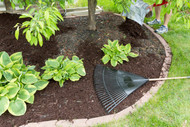
Best for: Perennial beds, foundation plantings, shrubs
Why it works: Interlocks well, insulates roots, and stays in place
Pro tip: A 2–4 inch layer is ideal for most beds
If you are choosing between shred sizes, a finer mulch tends to knit together more tightly. (That can be helpful when winter winds show up uninvited.)
Leaf Mulch (Shredded Leaves)
One of the most plant-friendly options for insulating plants for winter, especially for garden beds. The Ohio State University notes that leaving (or reusing) leaves in the landscape can be beneficial — especially when managed properly as mulch
Best for: Perennials, pollinator gardens, naturalized areas
Why it works: Great insulation, adds organic matter as it breaks down
Pro tip: Shred leaves before applying so they do not mat into a wet layer
Straw
Straw is a classic winter cover for vegetable gardens and tender perennials. For strawberries and other tender plants, Penn State University recommends applying straw after plants are dormant and temperatures are consistently cold.
Best for: Vegetable beds, strawberries, newly planted perennials
Why it works: Excellent insulation and easy spring cleanup
Watch-outs: Use clean straw (not hay), and expect some movement in wind
Depth: Often 4–6 inches for winter protection in exposed areas
Pine Fines (or Pine Needle-Style Mulches)
Great for areas where you want a lighter, breathable mulch that still insulates well.
Best for: Beds with acid-loving plants, slopes where you want a “knitting” mulch
Why it works: Settles nicely, provides insulation, and helps reduce erosion
Pro tip: Keep it off plant crowns and woody stems to avoid excess moisture
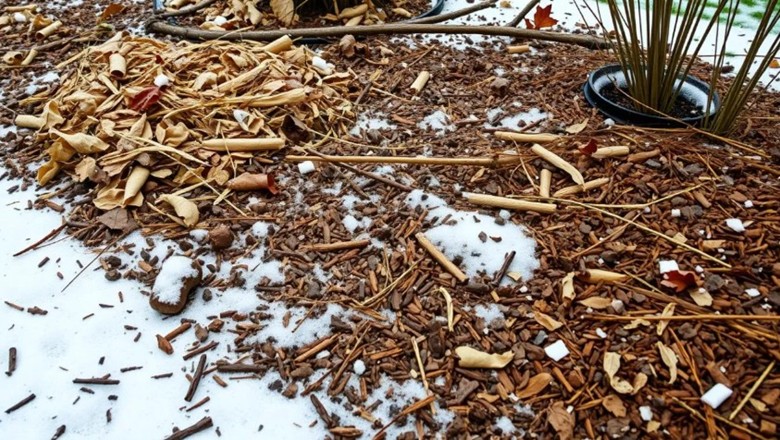
Wood Chips (Coarser)
Wood chips can work well in some situations, especially for pathways and informal beds.
Best for: Natural pathways, tree rings (properly done), low-maintenance areas
Why it works: Long-lasting, good soil protection
Watch-outs: Coarse chips can be less insulating than finer shreds in exposed perennial beds
Inorganic Winter “Mulch” Options in Ohio: When They Make Sense
Gravel or Decorative Stone
Stone does not insulate like organic mulch, but it can be useful in specific landscape designs.
Best for: Drainage-prone beds, xeriscape-style plantings, pathways
Pros: Long-lasting, low maintenance
Cons: Can create temperature swings and does not feed the soil
Landscape Fabric (Use Carefully)
Fabric is often installed to block weeds, but it is not a winter-insulation tool on its own.
Best for: Under stone in very specific builds
Avoid: Using fabric under organic mulch in garden beds long-term (it can complicate soil health and maintenance)
How Much Winter Mulch to Apply (Ohio-Friendly Depth Guide)
Recommended depth by mulch type
-
Shredded hardwood / shredded bark: 2–4 inches
-
Leaf mulch: 2–4 inches (shredded is best)
-
Straw: 4–6 inches (especially for veggie beds and tender plants)
-
Pine fines: 2–3 inches
-
Gravel/stone: 1–2 inches for coverage (not insulation)
The Ohio State University suggests using a consistent mulch layer for winter protection and spring-ready beds.
Where to apply it
-
Over perennial root zones
-
Around shrubs and young trees (with space at the trunk)
-
In vegetable beds after cleanup
-
In areas prone to frost heave (raised beds, exposed slopes, thin soils)
Best Time to Winter Mulch in Northeast and Central Ohio
In most of Northeast Ohio and Central Ohio, winter mulching is typically best in late fall when nights are consistently cold and the soil is cooling. The majority of Northeast Ohio falls in USDA Zones 6a–6b — you can confirm your exact zone using the USDA Plant Hardiness Zone Map.
A practical rule:
-
Wait until after a few light frosts (plants are going dormant),
-
Then mulch before the ground freezes hard.
This timing helps avoid encouraging new growth and still provides protection when freeze–thaw cycles ramp up.
Winter Mulching Best Practices (Quick How-To)
-
Clean up first: Remove diseased plant debris and large weeds.
-
Water if dry: Moist soil holds heat better than dust-dry soil.
-
Apply evenly: Spread your mulch to the recommended depth.
-
Keep stems clear: Leave 1–2 inches around plant crowns and several inches around tree trunks.
-
Check after storms: Re-level areas where mulch shifted or thinned.
Frequently Asked Questions
What is the best winter mulch for Ohio gardens?
For most Ohio homeowners, shredded hardwood mulch, shredded leaf mulch, or straw are top choices because they insulate roots, breathe well, and help reduce frost heave.
Can I use the same mulch for winter and summer?
Yes. Many organic mulches (like shredded hardwood) work year-round. In winter, the goal is insulation and stability; in summer, it is moisture retention and weed suppression.
How do I prevent mulch from harming my plants in winter?
Avoid piling mulch against stems and trunks. Keep mulch off crowns, apply the right depth, and spread it evenly.
Does stone mulch protect plants from winter cold?
Stone is not a great insulator. It can be useful for drainage and design, but organic mulch is usually better for protecting plants from winter.
Will winter mulch help with frost heave in Ohio?
Yes. A consistent organic mulch layer helps buffer soil temperature swings that cause frost heave, especially in raised beds and exposed sites.
Conclusion
A smart winter mulch layer is one of the easiest ways to protect your landscape in Ohio – it insulates roots, helps prevent frost heave, and sets your beds up for a smoother spring. If you’re planning a project in Northeast Ohio or Central Ohio and need winter mulch, topsoil, or stone, Kurtz Bros., Inc. is here to help with practical guidance and convenient delivery options.