Rich soil. Native, thriving plants. Flowers that dance to life.
No, this isn’t a scene from some feel-good Disney movie, it could be a snapshot of your backyard home garden this year — and you don’t have to spend big bucks on fertilizer, pesticides, or sprinkler systems to make it happen.
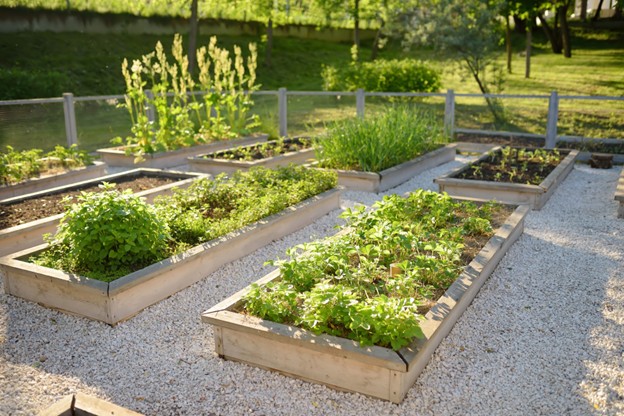
Whether you have a small, raised garden bed or a sprawling backyard garden, consider building a sustainable garden. Here’s a closer look at various strategies you can begin implementing now.
Choosing Native Plants: The Foundation of Building a Sustainable Garden
One of the most significant sustainable gardening practices is ensuring that you’re selecting native plants. Native plants are species that naturally grow and thrive in a specific region or ecosystem and have fully adapted to the local conditions. Planting native species offers many sustainable benefits, such as:
- They require less water and maintenance
- They support pollinators and other local wildlife
- Their deep roots help stabilize soil and prevent erosion
- Many native plants also store carbon dioxide
How do you find out what plants are native to your area? Simply Google “native plants near me” or contact Kurtz today for an overview of native Midwest plants.
Water Usage: Smart Strategies for a Low-Water Garden
Planting native species is one way to conserve water, but there are a variety of other strategies to limit watering while still ensuring your garden thrives. Here’s a look at some of these strategies:
- Consider drip irrigation: Drip irrigation is designed to slowly deliver water directly to the root zone of plants. This method helps conserve water usage and promotes healthy plant growth.
- Rainwater harvesting: Consider installing barrels into your gutter system to capture rainwater to reuse for gardening and lawn watering purposes. Aside from water conservation benefits, doing so can also help you save on your water bills.
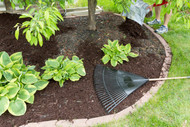
- Mulch: Adding mulch to your garden beds helps the soil retain moisture, meaning you likely won’t have to water as frequently compared to gardens without mulch.
An additional measure you can take to conserve water is to plant drought-resistant species that thrive in dry conditions.
Composting: Turning Waste into a Nutrient-Rich Soil
Composting helps recycle food and yard waste into nutrient-rich soil, which can help improve water retention and promote healthy growth. It’s simple to do, great for your garden, and can also help reduce the amount of waste that you send to landfill. Since composting also serves as a natural fertilizer, there’s less need for chemicals and garden maintenance.
Composting is a controlled process where microorganisms decompose organic materials to create nutrient-rich soil. There are various types of composting, such as aerobic composting, where microorganisms decompose organic matter in the presence of oxygen, and vermicomposting, which relies on worms to break down the organic matter. Bokashi composting is another type of composting, which consists of fermenting food scraps in a sealed container.
Some of the ideal food and yard scraps for composting include:
- Coffee grounds
- Eggshells
- Fruit and vegetable scraps
- Grass clippings
- Certain weeds
- Twigs, wood chips and straw
- Paper and cardboard
- Bread
- Rice
- Potatoes
Not all food and yard scraps are ideal for composting. Avoid scraps such as bones, dairy products, peels, plants that have been treated with chemicals, pet waste, treated wood, coal ash, and greasy or oily foods. These scraps often take a long time to decompose, may attract pests, and may contain harmful pathogens that can harm plant species in gardens.
Proper Plant Selection for a Resilient, Low-Maintenance Garden
Follow the “right plant, right place” rule when selecting the plants for your garden. This is a concept that involves selecting plant species that are best suited to the local environment and that are designed to thrive in your area’s conditions. Selecting the right plants won’t just result in the likelihood of healthier overall plants, but they generally require less watering and maintenance to thrive.
Consider other strategies for your garden, such as companion planting. This involves growing different plant species together to complement each other. For instance, many gardeners will plant basil near tomatoes, as basil helps repel tomato plant pests. Carrots and onions are often planted together, as onions help deter carrot pests — and vice versa.
Additionally, planting certain flowers, like marigolds, near your plants can help deter certain pests.
Sourcing Locally: Why it Matters
Buying local does more than just support local businesses and local economies — it also often results in ensuring that the plants you’re purchasing and planting are better for your specific conditions. Buying from local nurseries also means that you’re reducing the environmental impact of transporting plants over significant distances, which can reduce transportation costs and transportation emissions.
The Benefits of Building a Sustainable Garden
Aside from a healthy, thriving garden, sustainable gardening practices have many benefits:
Reduced Environmental Impact
Sustainable gardening minimizes the impact you’ll have on the environment, meaning you’ll rely less on fertilizers and pesticides. You’re also likely to conserve water usage and reduce your utility bills.
Reduced Maintenance Costs
Planting native species requires less upkeep and maintenance, saving both time and money. Native species also help encourage healthy soil growth.
Enhanced Biodiversity
Native species also support local biodiversity, such as bees, butterflies, and birds, while creating an ideal habitat for beneficial insects and other wildlife.
Improved Soil Health
Composting can help improve soil health and create an ideal environment for plant growth, while mulching helps your garden retain water and minimize erosion.
Take the time to reevaluate your gardening habits and consider implementing sustainable best practices that can help safeguard the environment and save you money on watering and maintenance to boot.
Contact Kurtz Bros. Inc. Today
Whether it’s Earth Day or just any day this spring or summer, consider sustainable best practices for your lawn and garden to help your plants flourish while being gentle on the environment. As a leading provider of compost, soils, and mulch, Kurtz Bros. is standing by and ready to help you meet your sustainability goals.
For more information on sustainable landscaping and gardening best practices and to browse our selection of soils, composts, and mulch, contact Kurtz Bros. Inc. today.