How to Keep Your Lawn Lush as Temperatures Rise?
It doesn’t take long for spring showers to transition to summer heat in the Midwest — and when it does, you have to put the work in to keep your lawn looking green and lush.
It’s easy to keep your lawn looking great in the spring. Cool evening temperatures and frequent rainfall quickly help bring your grass back to life from a dormant winter. But it won’t stay this way for long once the dog days of summer arrive.
In this post, we’ll help empower you with the information you need to ensure your lawn can beat the heat this summer and stay green and lush all season long.
Help Your Lawn Beat the Heat with These Tips
Beat the summer heat with these lawn best practices:
Water Smart
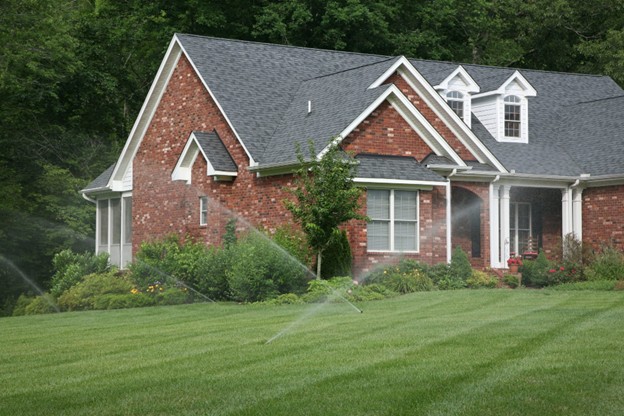
Whether it’s from natural rain or your sprinkler system, lawns need about 1 inch of water per week during the summer months. When temperatures soar, it’s best to water deeply and infrequently to ensure the roots are properly soaked. If you’re watering with a sprinkler system, make sure it’s programmed to go off in the early morning hours to prevent water from evaporating as it’s delivered. Consider investing in a rain gauge so you can make sure that you’re not overwatering your lawn or wasting water.
Fertilize
Fertilizing in the spring can help promote a healthy lawn by building strong root development and making your lawn more resistant to extreme temperatures. Select the right fertilizer for your lawn’s needs or work with a company that will help with these treatments for best results. Generally speaking, fertilizer should be applied to your lawn four to five times a year to keep it lush and weed-free for the season.
Seeding Tips
Consider overseeding your lawn to improve its density, fill in bare spots, and create a greener, thicker lawn. The best times to overseed tend to be early spring and late summer, when temperatures are mild and the soil is warm. However, to ensure seeds germinate properly, it’s important to ensure proper watering so the soil is always damp in areas where seeds have been placed. You’ll also want to avoid placing fertilizer in seeded areas.
Proper Mowing
Mowing your lawn properly is essential to keeping a thick, lush lawn. While it’s tempting to put the mower at lower settings to cut more grass, be sure to follow the one-third rule. That is, cut no more than one-third of the grass blade at a time when you mow. This helps encourage deeper root growth and also helps shade the soil, keeping it damp for longer and minimizing evaporation during and after watering.
Another tip: Consider mulching your grass as you mow and leaving the clippings on the lawn. Your grass clippings serve as a natural mulch and help your lawn better retain moisture.
Aeration
If your soil is compacted, water and other nutrients are going to have a difficult time reaching the roots. That’s where lawn aeration can help. Aeration loosens the soil by removing small cores throughout your lawn, alleviating compaction and thereby better allowing air, water, and nutrients to reach the grass roots. Other benefits of aeration include:
- Reducing thatch buildup
- Improved overall soil health
- A more durable and resilient lawn that’s able to better handle various stressors
Know the Difference Between Dormant and Dead Grass
Are you spotting brown spots or patches on your lawn? It’s important to know the difference between grass that is dormant and grass that is dead. Dormant grass is alive, but temporarily inactive and will eventually recover, while dead grass is permanently damaged.
Dormant grass typically appears more uniform throughout the lawn and will recover with proper watering or care. Dead grass, conversely, tends to be patchy and should be repaired or replaced.
To see if your grass is dead or dormant, gently pull the area of your lawn in question. If it pulls up easily, it’s a sign the roots are no longer alive.
Other Tips
- Know your lawn: Watch for wilting or discoloration, which are common signs of stress and often indicative of a need to water more.
- Sharpen your mower blades: It’s best practice to sharpen your mower blades one to two times per mowing season. Sharp mower blades help promote a healthy lawn by reducing stress and helping it recover faster after a cut.
- Don’t forget grub control: Apply grub control in late spring or early summer, which is when grubs typically hatch from their eggs. If left untreated, you may notice dead patches in your lawn in late summer where grubs have fed on your grass roots. Birds, skunks, and other animals can also do damage to your lawn searching for grubs to eat.
Turn Your Lawn into the Envy of Your Neighborhood – Contact Kurtz Bros. Inc. Today
Are you ready to beat the heat this summer? Keep your lawn looking great even during the dog days of summer by following the aforementioned tips. Kurtz Bros Inc. is here to help you meet your lawn goals and lawn care needs. From topsoil to grass seed, fertilizer to weed control solutions, contact us today to learn more about our yard supply offerings and how they can help keep your lawn looking lush all season.