HOW WINTER WEATHER AFFECTS YOUR LANDSCAPE IN NORTHEAST OHIO
Winter weather in Northeast Ohio can cause more than slippery sidewalks – it can quietly damage your lawn, trees, and shrubs all season long. From snow mold in cool-season grasses to split bark on trees and winter burn on evergreens, our freeze–thaw cycles and lake-effect storms are tough on plants.
Here’s how winter weather damages your landscape the most common types of winter damage seen across Cleveland, Akron, and the rest of NEO – and how to protect your landscape so it bounces back strong in spring.
Common Types of Winter Damage in Ohio
Snow Mold on Lawns
What Is Snow Mold?
Snow mold is a cold-weather fungus that attacks cool-season grasses – the same grasses most Ohio homeowners have in their lawns. It often develops when a heavy blanket of snow falls before the ground has fully frozen, trapping moisture against the turf.
There are two main types:
- Gray snow mold
- Pink snow mold
Both can leave your lawn looking patchy and tired when the snow melts.
What Does Snow Mold Look Like in Spring?
You usually won’t notice snow mold until early spring, when the snow finally melts. Look for:
- Straw-colored circles, from a few inches to a few feet wide
- Patches with a gray-white or whitish-pink, webby appearance
- Thin or matted grass in affected areas
How to Prevent Snow Mold in Northeast Ohio
Before the first major snowfall:
- Mow the grass on the lower side going into winter to reduce matting.
- Rake up leaves and debris so they don’t get trapped under snow.
- Consider a preventative fungicide treatment recommended for snow mold if you’ve had recurring issues.
If you find damage in spring, lightly rake the affected spots to break up matted grass, then repair and reseed thin areas using a quality seed mix and starter fertilizer.
Ice Storm Damage to Trees and Shrubs
Why Are Ice Storms So Hard on Plants?
Winter ice storms – common in Northeast Ohio – occur when heavy rain is quickly followed by a temperature drop, encasing branches in ice. The added weight can:
- Snap branches off trees and shrubs
- Break the tops off young trees
- Cause structural damage that affects long-term health
How to Reduce Damage from Ice
You can’t stop an ice storm, but you can lower the risk:
- Have trees properly pruned to remove weak, crossing, or overextended branches.
- Avoid letting branches hang over roofs, driveways, or high-traffic areas, where breakage could cause injury or property damage.
- After a storm, don’t shake icy branches – let the ice melt naturally to avoid additional breakage.
Split Bark on Trees
What Is Split Bark?
Split bark happens when tree trunks or stems crack due to sudden temperature swings, especially in winter. Warm daytime sunshine followed by a hard nighttime frost can cause the bark to expand, contract, and ultimately split.
Trees with smooth bark are particularly vulnerable, especially when the sun hits the trunk on bright winter days.
Why Is Split Bark a Problem?
Severe splits can:
- Expose inner tissue
- Invite insects and disease
- Potentially cause the tree to decline or die
How to Help Prevent Split Bark
- Wrap trunks of young or smooth-barked trees with commercial tree wrap in late fall.
- Try to avoid sudden, heavy pruning right before winter, which can expose more bark.
If splitting occurs, consult an arborist for severe damage, or monitor smaller cracks to ensure they dry and callus over properly.
Winter Burn on Evergreens
What Is Winter Burn?
Winter burn affects broadleaf evergreens like boxwood, rhododendron, holly, and azalea, and can also show up on needled evergreens like arborvitae, yews, spruce, and pine. If a plant keeps its leaves or needles all winter, it can show signs of winter burn.
The symptoms:
- Needles or leaves turning yellow or brown
- Dry, scorched foliage, often on the windward side
- Browning that may be more noticeable as spring begins
What Causes Winter Burn in Ohio?
Winter burn is usually caused by:
- Very cold or very mild winters (both can be stressful)
- Bright winter sun and strong winds
- Lack of snow or rain, which dries out evergreen foliage
Plants continue to lose moisture through their leaves in winter, but frozen soil makes it hard for roots to replace that water, leading to desiccation (drying).
How to Prevent Winter Burn
To protect evergreens in Northeast Ohio:
- Apply an anti-transpirant spray in late fall to reduce moisture loss.
- Water well before the ground freezes to help plants go into winter hydrated.
- Use windbreaks or burlap screens in especially exposed locations.
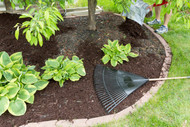
- Maintain a healthy mulch layer around the base (2–3 inches) to moderate soil temperature and moisture.
Root Damage in Winter
How Can Winter Harm Plant Roots?
Shallow-rooted plants, such as many perennials and roses, can suffer root damage when soil temperatures drop below freezing. In severe cold – especially when temperatures dip below about 15°F – roots may die, even if the top of the plant appears fine.
You may not notice the damage until spring, when nearby plants are thriving but these affected plants wilt, fail to leaf out, or die back.
How to Protect Roots from Freezing
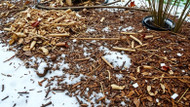
- Add mulch or shredded leaves to beds and around perennials to insulate the soil and help maintain a more stable temperature.
- Avoid late-season fertilizing that encourages tender new growth right before hard freezes.
- In spring, prune damaged plants and use a deep-root fertilizer to support recovery and new growth.
Mulch not only protects roots in winter – it also improves soil structure over time, especially when paired with quality compost and topsoil.
Winter Salt Damage Near Walkways and Driveways
How Does Salt Hurt Your Landscape?
De-icing salts used on driveways, sidewalks, and roads can splash or drift into planting beds. Any plant near a salted surface – including shrubs, grasses, perennials, and evergreens – is at risk.
Damage often happens during the winter months, but you might not see symptoms until late spring or early summer.
Common signs of salt damage include:
- Leaf scorch or browning at the edges
- Dieback of branches
- Browning or thinning on evergreens, especially on the side facing the road or walkway
How to Reduce Winter Salt Damage
- Prune plants back slightly from walkways and driveways in late fall to keep foliage away from salt spray.
- Use more plant-friendly de-icing products where possible, and apply them sparingly.
- In early spring, flush salt from the soil by watering deeply on thawed days.
- Consider creating a buffer zone with stone, gravel, or salt-tolerant groundcovers between pavement and sensitive plants.
Sun Scald on Tree Trunks
What Is Sun Scald?
Sun scald occurs on certain tree species – including linden, cherry, and maple – when winter sun warms the bark during the day, causing tissues to become active, then a rapid temperature drop at night freezes and kills those tissues.
Over time, this can lead to:
- Cracking and peeling bark
- Sunken or discolored areas on the trunk
- Openings that allow insects and diseases to enter
How to Treat and Prevent Sun Scald
If damage has already occurred:
- Carefully remove loose bark with a sterilized pruner or blade.
- Allow the area to dry and callus – trees can often heal themselves if the damage isn’t severe.
To prevent sun scald in future winters:
- Wrap trunks with plastic tree guards or commercial tree wrap in late fall, especially on young or thin-barked trees.
- Remove wraps in spring once freezing nights are past, to avoid trapping moisture or insects
Frequently Asked Questions
When should I start winter landscape prep in Northeast Ohio?
Begin preparing your landscape in late fall, before consistent hard freezes. In many parts of Northeast Ohio, that means tackling tasks like mulching, pruning, and protecting evergreens from late October through November, depending on the forecast.
How thick should mulch be to protect plant roots in winter?
A 2–3 inch layer of mulch is usually ideal around trees, shrubs, and perennials. It’s thick enough to insulate roots and help prevent soil temperature swings, but not so thick that it suffocates roots or invites pests. Keep mulch a few inches away from trunks and stems.
Is road salt killing my shrubs and evergreens?
If your plants are near a salted driveway, sidewalk, or street and you notice leaf scorch, browning, or dieback, salt could be part of the problem. Try pruning plants back from the pavement, using more plant-friendly de-icers, and flushing the soil with water in early spring.
Should I wrap my trees for winter in Ohio?
Wrapping isn’t required for every tree, but it’s helpful for young, thin-barked trees and species prone to sun scald, like maple, linden, and cherry. Wrap trunks with commercial tree wrap in late fall, then remove it once winter temperatures moderate in spring.
Can my lawn recover from snow mold and winter damage?
In many cases, yes. Light snow mold and winter injury often improve with raking, reseeding, and proper spring lawn care. Persistent or severe damage may require help from a lawn care professional or your local landscape supply partner.
Protect Your Ohio Landscape from Winter Damage
Ohio winters – especially in Northeast Ohio – can be tough on lawns, trees, and shrubs, but a little preparation goes a long way. By understanding snow mold, winter burn, salt damage, root injury, split bark, and sun scald, you can take simple steps to keep your landscape healthier year-round.
If you’re looking to protect your landscape from winter weather, Kurtz Bros., Inc. can help. With locations throughout Ohio, our team can help you choose the right mulch, topsoil, stone, and other materials to insulate roots, repair lawns, and support plant health through every season including NEO winters.