Mulch Matters: Choosing the Right Mulch for Your Landscape—it’s not just a garden’s best friend but it’s a secret weapon. Yes, it spruces things up, but it also is important for locking in moisture, knocking out weeds, and regulating the ground temperature. Whether it’s giving your pathways a clean look, cushioning the kids’ playground, or keeping your shrubs and trees happy, picking the right mulch can transform your landscape. But there are lots of different types of mulch to choose from depending on your needs. If you’re unsure which is best, this guide will help you find the best option.
What Mulch is Best
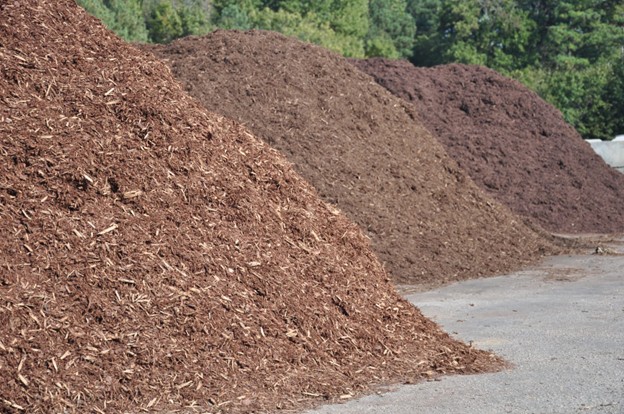
Different types of mulch are made from different materials and have different purposes. Here’s a quick breakdown of the common mulches you’ll encounter:
- Bark Mulch: This is typically made from 100% shredded tree bark mulch—no dyes or additives.
- Hardwood Mulch: Made with shredded bark and hardwood, this mulch works well for newly planted beds.
- Playground Mulch: Playground mulches should be cost-effective and chemical-free, specially designed for safe use on playgrounds and pathways.
- Triple Shred Bark: Triple shred mulches have a finer texture that is ideal for garden beds.
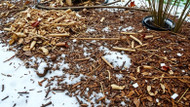
- Wood Chip Mulch: A long-lasting mulch made entirely from wood chips—no bark.
- Double Mulch: This mulch is an environmentally friendly product made from reclaimed wood—it’s easy to work with and best for gardens. It’s also often available in brown and other shades.
- Premium Mulches: Premium mulches are typically finely shredded and made from selective hardwoods so that they can create a beautifully uniform look. They’re also often dyed in shades like black, brown, or vibrant red.
- Composting Mulch: Some mulches (like our Sweet Peet) are part mulch and part compost. Use them as mulch, topdressing, potting soil, or as a soil amendment.
How to Choose the Right Mulch
Mulch has lots of uses in landscaping. How do you choose the best mulch for your needs? It’s simpler than you think, compare mulch options here. Here’s how mulch works and how to pick the best option for your needs:
Keeping Weeds Down
Every type of mulch will kill weeds. To keep weeds out of garden beds or pathways, simply spread a thick layer (two to three inches) of the mulch of your choice over the ground.
For basic weed control needs, look for playground mulch or wood chip mulch, which will usually be a more cost-effective option. For mulches that are better suited to gardening (and will also prevent weed growth), try the recommendations below.
Improving Soil
Most types of mulch will also help improve garden soil. As mulch breaks down over time, it restores nitrogen levels within the soil, which is crucial for healthy plant growth. Mulch also helps soil retain moisture better, and it regulates soil temperature, keeping it cooler on hot, sunny days, and warmer in the winter.
While most types of wood-based mulches, including tree bark mulch, will accomplish the above feats, some are better than others. Here are our recommendations:
- Choose regular bark mulch for an inexpensive, basic option that keeps weeds down while improving garden soil.
- For newly planted beds, try a mulch made with hardwoods since it will last a little bit longer than mulches that have already started the decomposition process, making it a great choice as a foundation.
- To improve garden soil while adding a great look through different colors and textures, use dyed and finely shredded mulches.
- While you can use most mulches with most types of plants, keep in mind that wood and bark-based mulches can acidify soil over time. While that’s great for acid-loving plants like blueberries or hydrangeas, you may need to add alkaline soil amendments every couple of years to bring down acid levels in the soil. That, or you can use a mulch that contains compost, which will provide rich nutrition over time and feature lower acid levels.
Playgrounds and Walking Surfaces
In playgrounds and along pathways, mulch serves a few purposes: It should look nice, prevent weed growth, and provide a soft, safe surface for walking or playing. Therefore, playground mulches are typically best (hence the name). They should be dye-free, chemical-free, and feature excellent shock absorption properties.
Wood chip mulches can also work well in certain instances. While we wouldn’t recommend it for playgrounds because it’s not as soft and shock absorbent, it is a durable, long-lasting option that will go the distance if you need to cover walking trails.
How to Properly Install Mulch
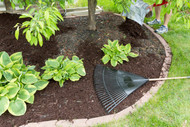
Mulch installation is easy. You’ll need to start with a prepared, weed-free surface, then spread the mulch to the appropriate depth. Here’s how to determine how deep your much should be:
- When spreading around annuals or perennials, or when top-dressing established beds, spread mulch between one and two inches deep.
- Use two to three inches of mulch when you’re covering bare ground or spreading mulch around trees and shrubs.
- On playgrounds or walking surfaces, deeper is better for shock absorption—aim to spread mulch up to 12 inches deep.
As to when to apply mulch, you can use it at any time during the year, but it’s best applied in early spring, either before or just after plants start to grow for the year.
Rely on Kurtz Bros., Inc. for Your Mulch Needs
Now that you know the ins and outs of choosing and using mulch, why wait? If you need mulch near you in Northeast Ohio, Kurtz Bros delivers mulch near you. Our mulch lineup includes both cost-effective and premium products that are ideal for gardens, playgrounds, walkways, and more. To learn more about any of our mulches (or to schedule a mulch delivery and install), feel free to contact us.