Does your backyard seem to be sliding out of frame? If so, it’s time to add some resistance to it!
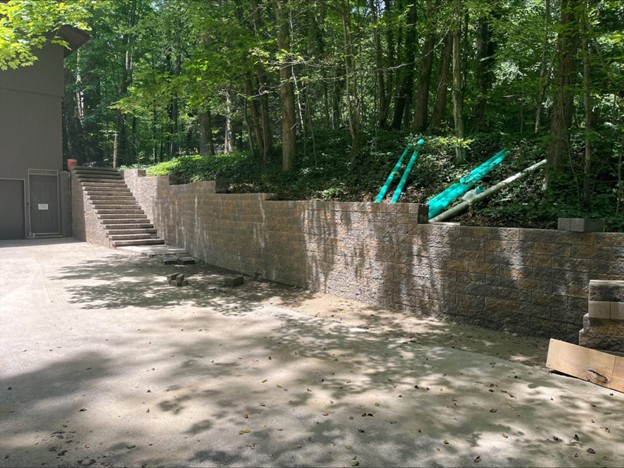
Over time, rainfall and other conditions may lead to soil erosion and uneven spaces in your yard, which can hurt your home’s aesthetic and result in unusable spaces. However, building retaining walls in these areas of concern can help remedy these problems. When built right, retaining walls help hold back soil and create level spaces and even terrain. What’s more, when done correctly, they look great too and add a new accent to your backyard.
With fall approaching, now’s the time to assess your yard and consider building one or more retaining walls. In this post, we’ll discuss why fall is the prime retaining wall building season, considerations for building a proper wall, and more. Read on to learn more, or contact Kurtz Bros., Inc. for more information and materials today.
Why Fall is Prime Time for Retaining Walls
So why is fall the best time of the year to construct retaining walls? There are several reasons:
- Fall comes with cooler temperatures, which makes for better overall working conditions.
- Fall doesn’t tend to be the growing season, so you’re less likely to encounter growing roots during your project than during the spring or summer.
- The fall months represent an ideal time to reinforce any slopes in your yard and prevent soil erosion or pooling water before any snowfall that you’re likely to receive from a Midwest winter.
- Fall also tends to be the slower season for landscapers if you’re seeking professional help with your project, making it more likely to staff jobs and align with your schedule.
Choosing the Right Retaining Wall Materials
There’s no shortage of materials to select from when building a retaining wall on your property. From natural stone to timber, here’s an overview of the materials you can select from for your project and the pros and cons of each:
- Stone: Stone is probably the most visually stunning material you can select for a retaining wall, as it comes in different styles, so you can get the right aesthetic. It’s also durable and long-lasting. However, if you select stone as your material, you’re likely going to be paying a premium price. Stone is an expensive material, and it’s also difficult to install.
- Wood: Wood retaining walls are easy to install, affordable, and offer a warm aesthetic. However, wood is also more susceptible to issues, such as rot, weathering, and insect infestations, which may require more intensive maintenance than stone or concrete walls.
- Concrete: Concrete is durable, versatile, and long-lasting, but it can also be more expensive than other materials and often requires professional installation. Concrete retaining walls also tend to be less attractive than others, potentially requiring some refinishing work to achieve the right aesthetic.
Beyond the material you choose for your wall, consider various decorative options that can help accentuate it. Caps, lighting, plants, and other accessories can elevate your backyard aesthetic even further.
Drainage Tips — Especially After Heavy Rainfall
One of the most important aspects of a retaining wall is ensuring it drains properly. If you don’t design and install your wall for drainage, water will pool in the area. This can also create a situation where pressure builds up on the wall to the point where it eventually fails.
The easiest way to ensure proper drainage is to backfill the retaining wall with gravel and drain tiles. Consider placing about 6 inches of gravel as part of the foundation to help with drainage. Additionally, for walls greater than 2 feet in height, consider installing a drainage pipe at the base of the wall. This pipe should be sloped and filter water to a safe drainage point away from the retaining wall.
Another drainage strategy is to install weep holes in the wall. These holes allow water to escape and can help your wall avoid succumbing to hydrostatic pressure, which could cause it to shift and move over time. For larger retaining walls, consider weep holes of at least 3 inches in diameter. Smaller retaining walls should have holes about an inch in size.
Function Meets Curb Appeal
Retaining walls aren’t just a backyard strategy to improve your curb appeal — they’re also highly functional and serve an important purpose in your yard. For instance:
- They’re an ideal solution for sloped yards, helping property owners flatten out spaces to create functional space (i.e., fire pits, patios, play areas, etc.).
- They help with erosion control and can protect your yard from pooling water, soggy patches in your lawn, and complete soil washouts.
- Clean borders and lines can also help elevate the look of your landscaping. Adding plants, bird baths, and other accessories to your retaining walls can provide a polished look and feel that will make your neighbors envious.
Build it Right This Season
Now that the dog days of summer are over and milder temperatures have arrived, now’s the time to get working on your retaining wall project. A little bit of work this fall can help create a lasting, impactful feature in your yard. If you’re ready to get started, contact Kurtz Bros., Inc. today to source materials and gain expert advice and insight into your project. Contact us today for more information and to source the supplies you’ll need before a shovel hits the ground.